Stainless Steel: The Ideal Material for Deep Drawing
Material selection is essential in the stainless steel deep drawing process. Thanks to its corrosion resistance, durability and mechanical properties, stainless steel is particularly suitable for manufacturing formed components for professional and industrial applications.
Bravo Inox mainly uses AISI 304 and AISI 316 stainless steel grades, selected according to the component’s technical specifications and intended operating conditions. Both grades can be used with different surface finishes and aesthetic treatments, depending on functional requirements and project specifications.
Choosing the most suitable stainless steel grade and surface finish helps ensure the strength, functionality and quality of the finished component.
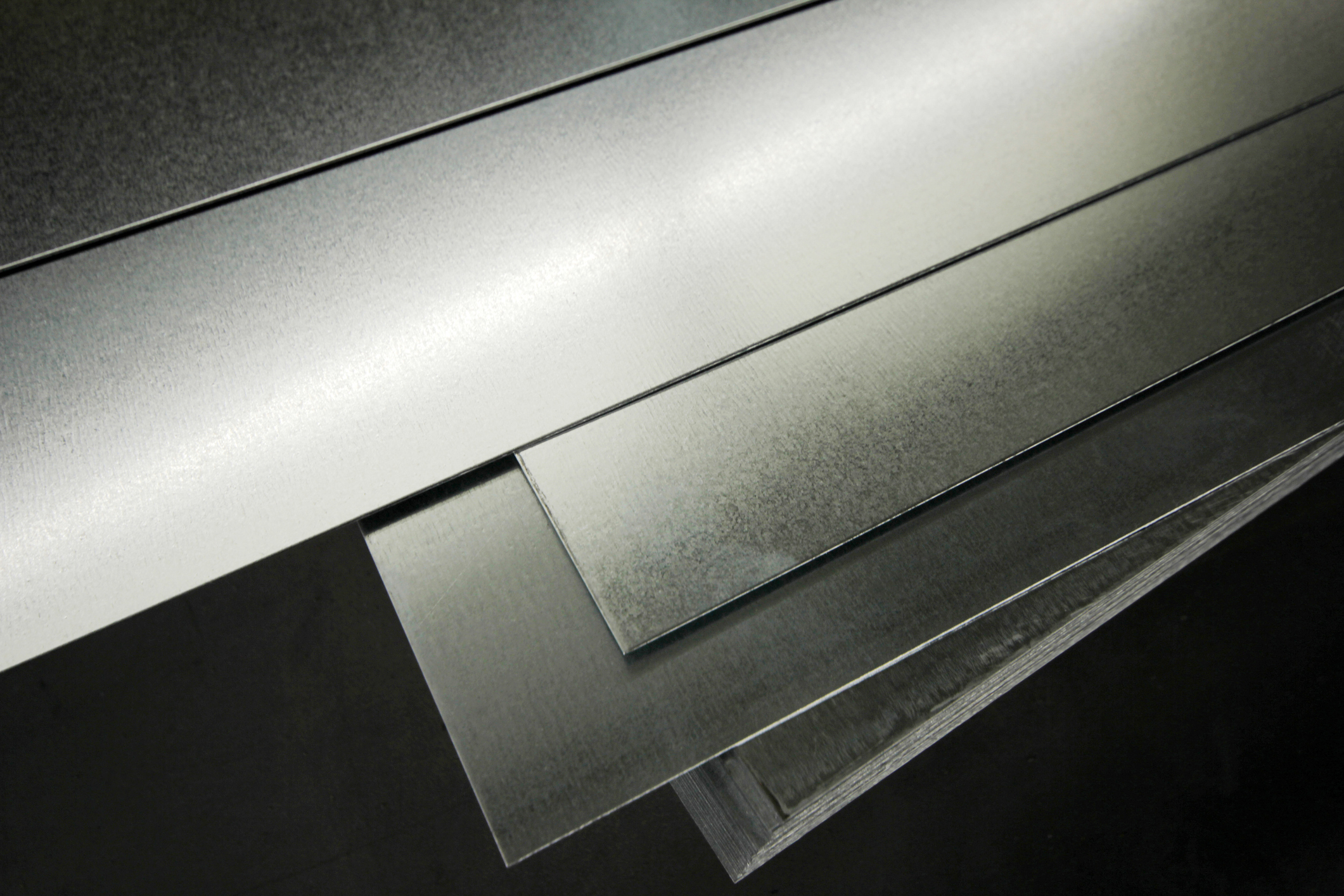

Stainless Steel: The Ideal Material
Stainless steel is widely used to manufacture components requiring properties suited to their operating conditions, including corrosion resistance and durability. In deep drawing, material selection must be evaluated according to the component’s geometry and the intended forming process. These factors are particularly relevant when manufacturing components for the Foodservice and Medical sectors, as well as industrial applications.
How the Stainless Steel Deep Drawing Process Works
The stainless steel deep drawing process involves forming stainless steel sheet metal using a press and a die. The sheet metal is progressively formed into the required component geometry. The die plays a central role in the process: its configuration is defined according to the technical drawing, required shape and material properties. Deep drawing is one of the techniques used in stainless steel stamping.
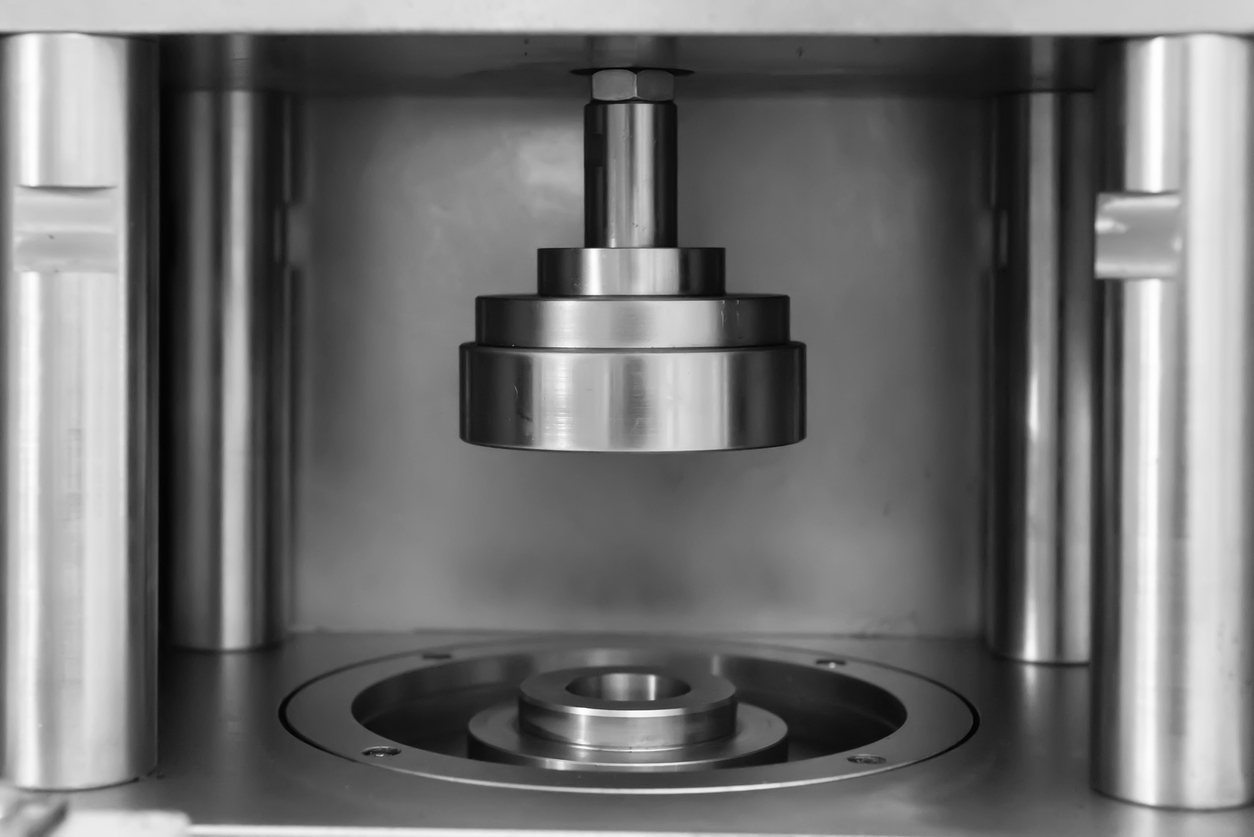
Depending on the required geometry and technical specifications, manufacturing a stainless steel component may involve multiple deep drawing or stamping operations. Some applications may also require intermediate material treatment stages. The definition of the manufacturing process and tooling depends on the project specifications and the characteristics of the component to be produced.